
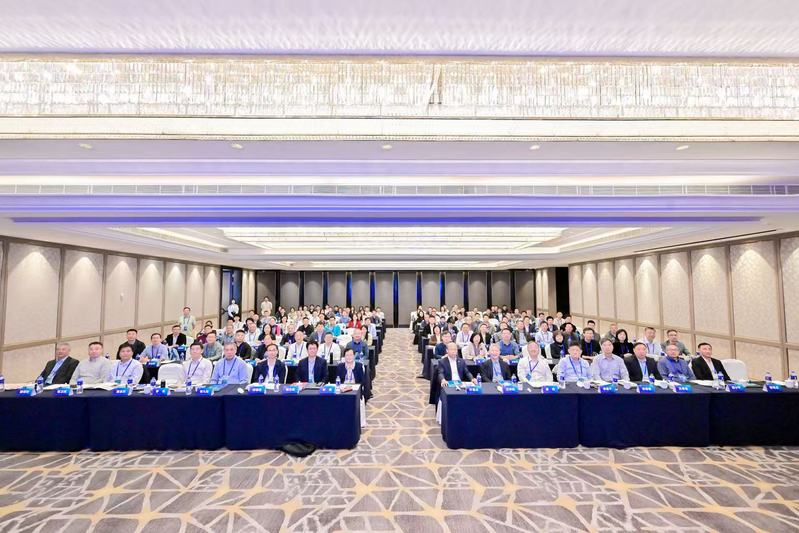
From November 7 to 9, the "2025 Green Chemical Engineering and High-End Equipment Forum and Annual Conference of the Chemical Machinery Committee of the Chinese Society of Chemical Industry" was held in Shanghai. The conference was hosted by the Chemical Machinery Committee of the Chinese Society of Chemical Industry (CIESC) and co-organized by East China University of Science and Technology (ECUST) and the Shanghai Key Laboratory of Intelligent Sensing and Detection Technology. More than 100 experts and scholars from universities, research institutions, and enterprises across the country gathered to engage in in-depth discussions on cutting-edge technologies, innovative achievements, and development pathways in the fields of green chemical engineering and high-end equipment, pooling wisdom and efforts to promote the green transformation and high-quality development of the chemical industry.
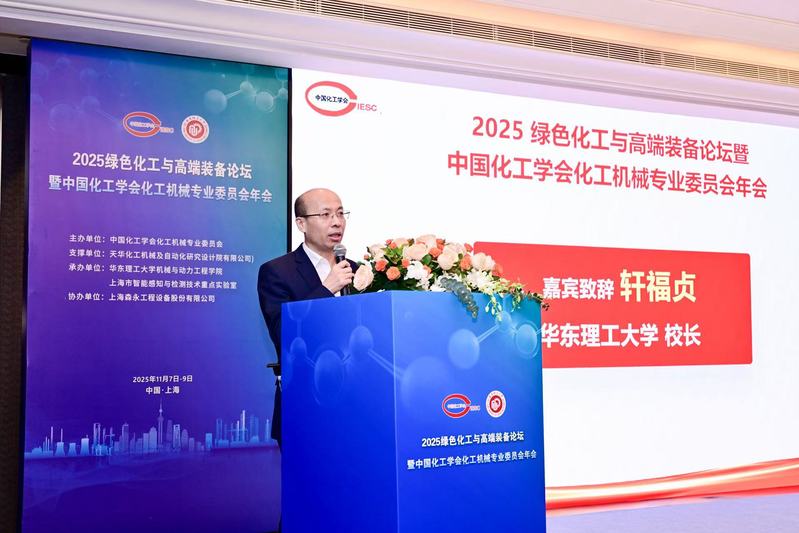
Xuan Fuzhen, President of ECUST, delivered the opening address. He noted that the university consistently aligns itself with national strategic needs, leveraging its strengths in chemical engineering disciplines, deepening the development of emerging engineering education, and focusing on key areas such as low-carbon design of process equipment and intelligent manufacturing to tackle technological bottlenecks constraining industrial upgrading. He stated that the university would continue to promote collaborative innovation and the integration of industry and education, accelerating the cultivation of interdisciplinary talents to provide strong support for enhancing China's independent innovation capabilities in green chemical equipment.
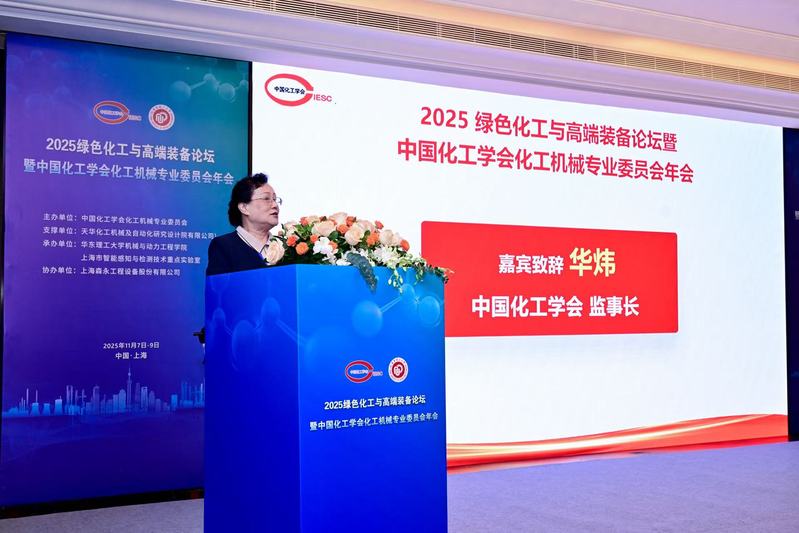
Hua Wei, Supervisor of the Chinese Society of Chemical Industry, stated in her address that the forum, themed "Green Chemical Engineering and High-End Equipment," closely aligns with the national "dual carbon" strategy and the demands of developing new productive forces. She pointed out that the chemical equipment industry is becoming a core engine driving the construction of a green industrial system, and its technological breakthroughs and ecological synergies will directly impact China's strategic position in the restructuring of the global industrial chain. She affirmed that the CIESC would continue to support the work of the Chemical Machinery Committee, jointly leading the industry toward technological innovation and sustainable development.
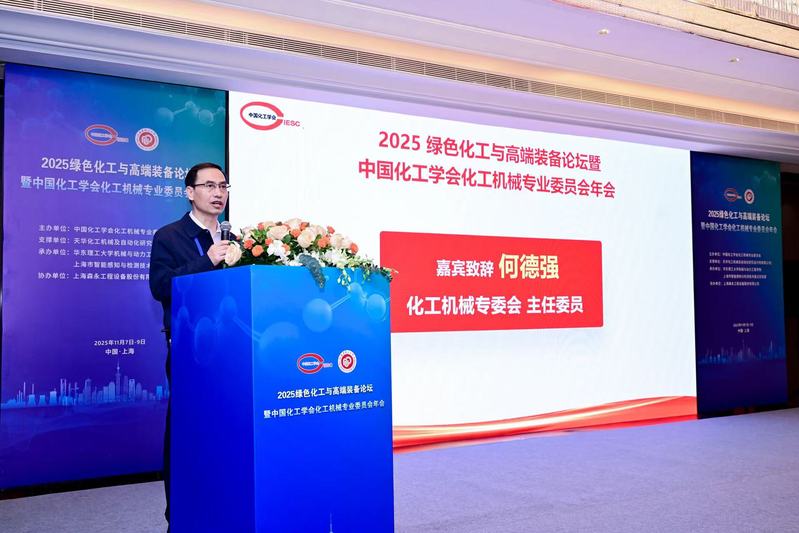
He Deqiang, Chairman of the Chemical Machinery Committee of the CIESC, noted in his speech that China's high-end chemical equipment sector still faces significant challenges, including critical core technologies that urgently need breakthroughs, a need to further enhance green manufacturing capabilities, and an imperative to accelerate the pace of intelligent transformation. He emphasized that the committee would further leverage its platform advantages, focusing on three key directions: tackling core technologies, improving standard systems, and cultivating innovative talent. The committee aims to actively promote collaborative innovation across the industrial chain to solidify the foundation for the industry's green transformation and high-quality development.
The forum featured over 20 expert keynote presentations, including those delivered by Academician Yang Weimin and Academician Wang Hualin of the Chinese Academy of Engineering. Academician Yang Weimin shared innovative achievements in novel molecular sieve catalytic materials and green processes, while Academician Wang Hualin focused on pollutant reduction and resource recovery technologies, systematically introducing research progress and practical pathways in the field of green environmental protection. Zong Baoning, Deputy Chief Engineer of SINOPEC Research Institute of Petroleum Processing, Professor Wang Chuansheng from Qingdao University of Science and Technology, and Professor Yang Weimin from Beijing University of Chemical Technology, among others, presented innovative technologies and engineering cases of significant application value, covering topics such as green caprolactam production technology, advanced manufacturing of polymer materials, and polymer processing and molding equipment.
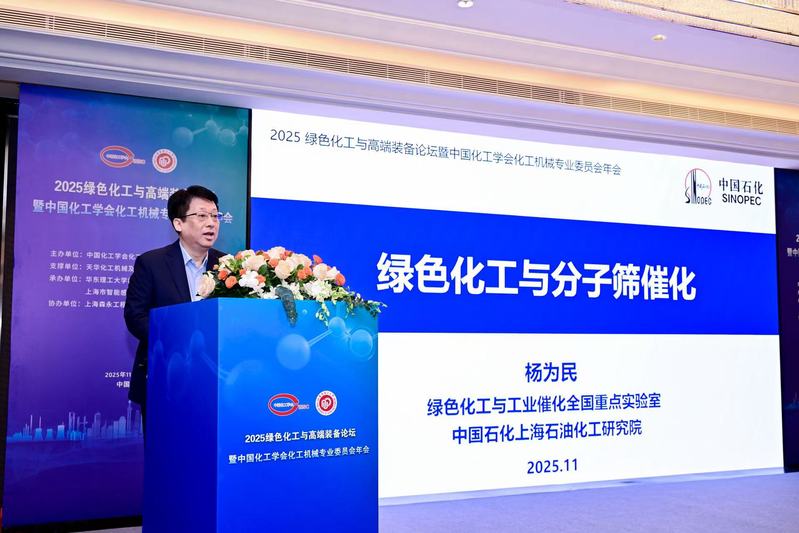
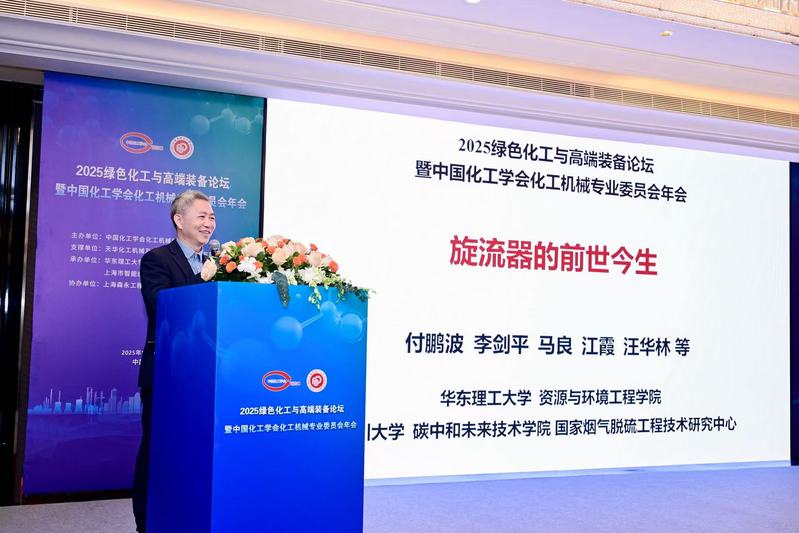
The forum also organized several thematic presentation sessions. Experts and scholars from dozens of domestic universities, research institutions, and enterprises shared their latest research progress on key directions, including hydrogen energy equipment, energy storage technology, battery technology, safety prevention and control, extreme condition equipment, artificial intelligence, flexible sensing, digital assembly, and photothermal catalysis. These sessions fully reflected the forum's interdisciplinary nature and showcased the innovative vitality and collaborative development potential of China's chemical equipment field.
Through academician presentations, thematic lectures, and free exchanges between industry, academia, and research, the forum provided a high-quality communication platform for attendees. Participating experts engaged in in-depth discussions on topics such as the application of process equipment in new energy and new materials, technological breakthroughs in carbon emission reduction and carbon utilization equipment, improving the reliability of equipment in extreme environments, and integrated innovation of low-carbon technologies. Broad consensus was reached on strengthening cross-disciplinary collaborative innovation, overcoming bottlenecks in key equipment technologies, and deepening engineering education reform, offering constructive pathways for the green, low-carbon transformation and high-end development of equipment technology in China's energy, chemical, and new materials sectors.
The successful hosting of this forum not only effectively promoted knowledge sharing and intellectual exchange within the industry but also injected strong momentum into accelerating the green and low-carbon transformation of China's chemical industry and cultivating new productive forces, guiding the sector toward a new stage of efficient, sustainable, high-quality development.

